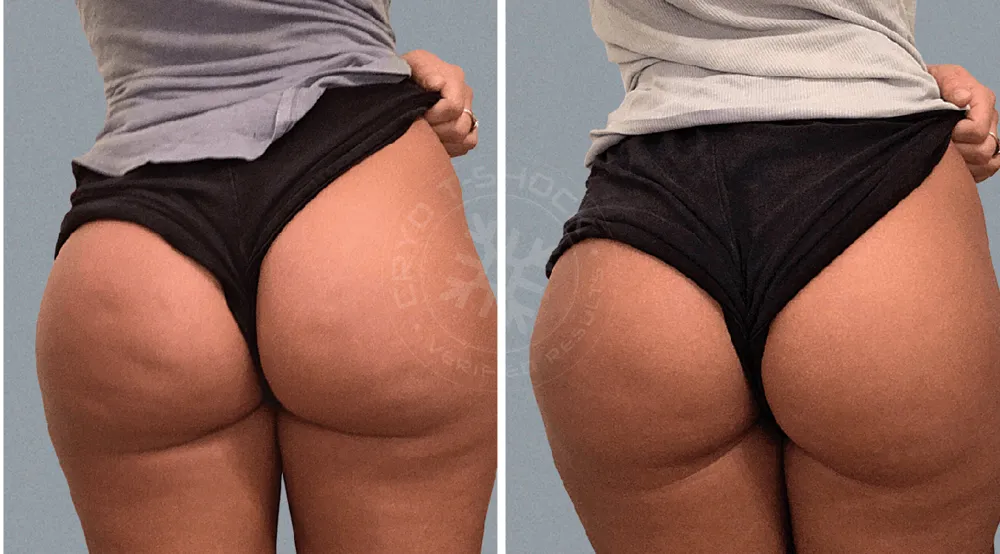
Investigating the Impact of Cellulite Reduction Techniques
Investigating the Impact of Cellulite Reduction Techniques
Did you know that cellulite impacts nearly 90% of women at some stage in their lives? This common issue can lead to increased stress and frustration. In this article, we explore various cellulite reduction techniques, focusing on the role of nutrition and the impact of physical activity. You’ll find valuable information on how incorporating yogurt into your diet and using supplements like Alpilean can help manage appetite and improve skin appearance. Whether you're seeking effective methods to reduce cellulite or looking for ways to alleviate related stress, this guide offers practical solutions to meet your needs.
Understanding Cellulite and Its Common Causes
Understanding cellulite involves examining factors like genetics, lifestyle choices, hormonal changes, and age-related developments. These elements play a crucial role in how cellulite forms and appears on the skin.
Additionally, carbohydrate intake, health care practices in Canada, and connections to conditions such as cardiovascular disease and urinary incontinence influence skin appearance. Assessing these aspects provides a comprehensive view of cellulite's causes.
Identify the Main Factors Contributing to Cellulite Formation
Diet plays a significant role in cellulite formation, with high sugar consumption contributing to the breakdown of collagen and elastin in the skin. Foods like potatoes, when consumed in excess, can lead to inflammation and water retention, exacerbating the appearance of cellulite. Maintaining a balanced diet rich in nutrients helps in minimizing these effects and promoting healthier skin.
Weight cycling, or frequent fluctuations in weight, can disrupt the skin’s elasticity, making cellulite more noticeable over time. Additionally, supplements such as ginkgo biloba may influence blood circulation, potentially reducing the appearance of cellulite and alleviating associated pain. Understanding these factors allows individuals to adopt strategies that address both the physical and lifestyle aspects of cellulite development.
Examine Genetic Influences on Cellulite Visibility
Genetic makeup significantly influences cellulite visibility by determining skin thickness, fat distribution, and the structure of connective tissues. Individuals may inherit tendencies that affect how their bodies store fat and how resilient their skin is, making cellulite more or less apparent. Understanding these genetic factors can help set realistic goals when addressing cellulite concerns.
Behavioral choices, such as maintaining a balanced diet and regular exercise, work alongside genetic predispositions to mitigate cellulite's appearance. Physicians can offer personalized advice and recommend topical treatments like specialized lotions to enhance skin texture. Additionally, addressing factors like substance abuse is crucial, as it can negatively impact skin health and exacerbate cellulite formation.
Consider Lifestyle Choices That Affect Skin Appearance
Maintaining effective weight management is essential for reducing the appearance of cellulite. Incorporating whole grains into the diet provides essential nutrients and supports healthy body weight. Ensuring adequate vitamin D intake, as recommended by the centers for disease control and prevention, can contribute to overall skin health.
Supporting kidney health by staying hydrated helps regulate fluid balance, which can lessen the visibility of cellulite. Adopting a balanced lifestyle that includes regular exercise and appropriate hydration aligns with guidelines from the centers for disease control and prevention, promoting healthier skin appearance.
Assess Hormonal Changes and Their Role in Cellulite
Hormonal fluctuations in humans, such as changes in estrogen and cortisol levels, can significantly impact cellulite development. These hormonal shifts may increase the risk of fat accumulation and reduce skin elasticity, making cellulite more visible. Ensuring proper hydration can mitigate some of these effects, as dehydration negatively affects skin's resilience and appearance.
Managing hormonal imbalances is crucial for reducing cellulite, and certain medications such as orlistat may support weight management efforts in this process. Individuals with chronic health conditions like chronic obstructive pulmonary disease should consult healthcare providers, as these conditions can influence hormone levels and overall skin health.
Analyze How Age Impacts Cellulite Development
As individuals age, changes in body composition contribute to the increased visibility of cellulite. The natural decline in collagen production affects skin elasticity, making the dimpled appearance more prominent. Effective skin care routines become essential to counteract these age-related changes and maintain healthier skin.
Inflammation associated with aging can exacerbate cellulite, as chronic inflammation breaks down connective tissues. Collagen induction therapy offers a viable solution by stimulating collagen production and improving skin texture. Additionally, incorporating nutrient-rich soups into the diet may support overall skin health and reduce inflammatory responses.
Evaluating Various Cellulite Reduction Techniques
This section reviews various cellulite reduction techniques, including topical treatments like olive oil-based creams and their effectiveness. It explores dietary adjustments, such as iron-rich foods and metabolism boosters, to support skin health. Additionally, exercise regimens designed to combat cellulite are investigated, alongside professional treatments available today in dermatology clinics. Home remedies are also compared for expected results.
Review Topical Treatments and Their Effectiveness
Topical treatments for cellulite often target the underlying physiology of the skin to improve its appearance. Ingredients like caffeine and retinol work by increasing blood flow and stimulating collagen production, which can enhance skin firmness around the waist. These formulations aim to break down fat cells and smooth the skin's surface, providing a more even texture.
Some creams incorporate natural starches and other botanical extracts to reduce inflammation and promote weight loss in affected areas. Regular application of these products, combined with a healthy lifestyle, can help in minimizing the visibility of cellulite. By addressing both the structural and cosmetic aspects, topical treatments offer a comprehensive approach to managing cellulite effectively.
Explore Dietary Adjustments Beneficial for Cellulite
Adopting a calorie-conscious approach, such as the Noom diet, can aid in reducing cellulite by regulating insulin levels and promoting steady weight loss. By focusing on nutrient-dense foods and portion control, individuals can achieve sustainable results that improve skin texture and overall health.
Sound dietary choices, including reducing processed sugars and incorporating foods with a low glycemic index, help manage insulin spikes that contribute to cellulite formation and even acne breakouts. These adjustments support the body's ability to maintain healthy fat distribution and enhance skin appearance.
Investigate Exercise Regimens to Combat Cellulite
Engaging in targeted exercise regimens can significantly lower body mass index, which plays a crucial role in reducing cellulite. Activities such as strength training and high-intensity interval training fuel muscle development, enhancing skin firmness and minimizing the dimpled appearance associated with cellulite. Incorporating these exercises into a regular fitness routine supports overall body composition and promotes smoother skin texture.
Balancing diet and exercise is essential, especially when avoiding foods like white bread that can contribute to fat accumulation and cellulite formation. Regular physical activity helps regulate appetite and can prevent binge eating episodes, ensuring the body receives necessary vitamins for skin health. By maintaining a consistent workout schedule, individuals can effectively manage their weight and improve the appearance of cellulite.
Assess Professional Treatments Available Today
Professional clinics offer a range of cellulite reduction treatments, with plastic surgery being a prominent option for those seeking significant improvements. Advanced procedures such as subcision and laser therapy target the underlying fat and connective tissues, providing smoother skin textures. Ongoing research continues to enhance these techniques, ensuring more effective and longer-lasting results for patients.
Recent studies highlight the role of hormones like leptin in cellulite formation, guiding clinics to develop more personalized treatment plans. While some aggressive weight loss methods may lead to side effects such as vomiting, reputable clinics prioritize safe practices to ensure patient well-being. By staying informed through the latest research, medical professionals can better address the diverse needs of individuals seeking cellulite reduction.
Compare Home Remedies and Their Expected Results
Home remedies for cellulite, such as using plant-based oils and applying coffee scrubs, are widely favored for their natural approach and ease of access. Primary care professionals often recommend these methods in conjunction with advice from the Food and Drug Administration to ensure safety and effectiveness. These remedies can lead to subtle improvements in skin texture when used consistently.
Adjusting dietary habits by reducing pasta consumption and increasing the intake of plant-based foods is another common home strategy to combat cellulite. It is important to address potential malnutrition during such dietary changes to maintain overall health and support skin elasticity. While these nutritional adjustments can aid in reducing cellulite, consulting with healthcare providers ensures that the approach is balanced and beneficial.
The Role of Nutrition in Effective Cellulite Reduction
Reducing cellulite effectively involves identifying key nutrients that enhance skin health and ensuring adequate hydration. Limiting processed foods and including anti-inflammatory options can improve skin texture. Health professionals emphasize creating balanced diet plans, which may incorporate meal replacements and consider factors like pregnancy, mood, and agricultural practices to support overall skin appearance.
Identify Key Nutrients That Support Skin Health
Key nutrients such as vitamins C and E are essential for skin repair and protection against damage like bruising, which can affect cellulite appearance. Omega-3 fatty acids enhance skin elasticity and hydration, contributing to a smoother texture. Incorporating these nutrients sustainably into one's diet supports long-term skin health and helps minimize cellulite.
Reducing the intake of refined grains helps maintain a stable weight measured in kilograms, preventing the skin from stretching and creating a vacuum effect that can worsen cellulite. Additionally, antioxidants found in vibrant vegetables fight free radicals, promoting healthier skin and reducing the visibility of cellulite over time.
Discuss Hydration's Importance in Reducing Cellulite
Hydration plays a vital role in maintaining skin elasticity and overall beauty, which are crucial in reducing the appearance of cellulite. Adequate water intake helps balance hormones and minimizes the effects of a sedentary lifestyle, leading to smoother and healthier skin. By staying well-hydrated, individuals can decrease the visibility of cellulite and prevent the formation of scars that may detract from their natural appearance.
Additionally, proper hydration supports bone health and enhances the skin's ability to retain moisture, combating the dimpled texture associated with cellulite. Drinking sufficient water aids in flushing out toxins and reducing inflammation, which are often linked to a sedentary lifestyle. Incorporating regular hydration into daily routines provides a simple yet effective approach to improving skin texture and achieving a more refined and attractive look.
Analyze How Processed Foods Influence Skin Texture
Processed foods high in refined sugars and unhealthy fats can disrupt collagen synthesis, weakening the skin's structure and exacerbating cellulite appearance. These foods often lead to insulin resistance, which hampers the body's ability to regulate fat storage and metabolism effectively. As a result, subcutaneous tissue becomes more prominent, making dimples and uneven skin texture more noticeable.
Frequent consumption of processed foods can also contribute to chronic fatigue and inflammation, both of which negatively impact skin health. Inflammation breaks down connective tissues, while fatigue reduces the body’s capacity to repair and maintain collagen levels. By minimizing processed food intake and focusing on whole, nutrient-rich options, individuals can support healthier metabolism and enhance the resilience of their skin against cellulite formation.
Examine Anti-Inflammatory Foods and Their Effects
Incorporating anti-inflammatory foods such as leafy greens, berries, and fatty fish can significantly reduce inflammation in the body, leading to improved skin texture and less noticeable cellulite on the buttocks. Avoiding foods high in added sugar and french fries helps minimize inflammatory responses, which are often linked to the accumulation of fat and the degradation of connective tissues.
Family medicine practitioners often recommend dietary changes to manage conditions like peptic ulcer disease, which can also impact skin health and cellulite formation. By focusing on a balanced diet rich in anti-inflammatory nutrients, individuals can support overall well-being and achieve smoother skin, enhancing the effectiveness of cellulite reduction techniques.
Create a Balanced Diet Plan Targeting Cellulite
Creating a balanced diet plan targeting cellulite involves incorporating foods supported by scientific evidence to enhance skin health and reduce fat accumulation. Health care providers often recommend consulting resources from the National Institutes of Health to identify nutrient-rich options that promote the activity of enzymes responsible for breaking down fat cells. By selecting a variety of whole foods, individuals can support their body's natural processes and improve overall skin texture.
Addressing lifestyle factors such as sleep deprivation is also crucial, as adequate rest allows the body to regulate hormone levels that influence fat distribution and skin elasticity. A balanced diet plan should include antioxidants and anti-inflammatory foods to combat the effects of poor sleep and stress, thereby minimizing cellulite appearance. Working closely with a health care provider ensures that dietary adjustments are tailored to individual needs, fostering long-term skin health and cellulite reduction.
Impact of Physical Activity on Cellulite Appearance
Regular exercise routines support cellulite reduction by improving anatomy and nutrient metabolism. Strength training enhances skin firmness, while cardio workouts aid fat loss and satiety. Flexibility exercises boost skin elasticity, and integrating whole grains and coconut into a fitness plan ensures comprehensive results.
Understand the Benefits of Regular Exercise Routines
Regular strength training improves muscle tone and skin firmness, which can significantly reduce the appearance of cellulite. Engaging in weight-bearing exercises also supports joint health, potentially alleviating conditions like osteoarthritis.
Consistent exercise routines, when combined with a balanced diet rich in fish and healthy fats like butter, enhance overall skin health and metabolism. Maintaining such a regimen can help individuals avoid extreme weight fluctuations associated with anorexia, thereby minimizing cellulite formation.
Explore Strength Training's Role in Skin Firmness
Strength training enhances muscle tone and reduces excess fat, which can help individuals who are overweight achieve a firmer appearance of their skin. By increasing blood circulation, strength exercises facilitate the removal of toxins and improve overall skin health, addressing common issues such as constipation that may affect skin texture.
Engaging in regular strength training can also mitigate emotional eating by providing a healthy outlet for stress, thereby supporting weight management efforts. Additionally, combining strength workouts with treatments like laser hair removal can create a comprehensive approach to improving skin firmness and aesthetic appeal.
Analyze Cardio Workouts That May Reduce Cellulite
Cardio workouts, such as running and cycling, effectively reduce cellulite by decreasing overall body mass and enhancing blood circulation. Incorporating intermittent fasting alongside these exercises can boost fat burning, leading to smoother skin and less noticeable dimples. Regular cardiovascular activity supports the elimination of toxins, which contributes to healthier skin texture.
Balancing intense cardio sessions with a nutritious diet, including reducing candy consumption, further aids in minimizing cellulite. Engaging in consistent physical activity also promotes overall well-being, potentially addressing issues like hair loss by improving nutrient circulation. Additionally, integrating enjoyable activities like cooking healthy meals helps sustain motivation and supports cellulite reduction efforts.
Consider Flexibility Exercises for Improved Skin Elasticity
Flexibility exercises are essential in improving skin elasticity, effectively diminishing cellulite's visibility. Programs like the optimal weight 5 & 1 plan integrate these exercises to prevent muscle atrophy and support overall skin health.
Modern technology, including fitness trackers and guided online sessions, assists individuals with arthritis in safely performing flexibility routines. Regular flexibility training not only enhances muscle function but also complements hair removal treatments, resulting in healthier, more elastic skin.
Implement a Comprehensive Fitness Plan for Results
Implementing a comprehensive fitness plan involves balancing strength training, cardio, and flexibility exercises to target cellulite effectively. Incorporating mineral-rich foods like leafy greens and ensuring adequate hydration supports tissue health, enhancing the skin's resilience against dimples.
Avoiding fad diets and maintaining a consistent exercise routine are crucial for sustainable results. Including dairy-free options can help reduce inflammation, while keeping a fitness diary allows individuals to track their progress and make informed adjustments to their regimen, ultimately improving skin texture and minimizing cellulite.
Reviewing Professional Treatments for Cellulite
This section reviews professional cellulite treatments, such as laser therapy, radiofrequency, and liposuction. It explores new technologies and evaluates their effectiveness beyond common advertisements. Insights from the Academy of Nutrition and Dietetics guide these methods. Understanding options like the best fat burner for men and managing glucose supports effective cellulite reduction.
Investigate Laser Therapy and How It Reduces Cellulite
Laser therapy targets cellulite on the thighs by breaking down fat cells and enhancing skin texture, making it a viable option for individuals managing obesity. This treatment improves blood circulation, which not only diminishes the appearance of cellulite but also promotes healthier skin. By stimulating collagen production, laser therapy helps achieve firmer and smoother thighs, addressing a common concern for those seeking effective cellulite reduction methods.
Combining laser therapy with a high-protein diet can optimize results by supporting muscle repair and maintaining skin elasticity. It is important to monitor blood pressure during treatment to ensure overall health and enhance the body's response to the therapy. Additionally, individuals with a history of stroke should consult healthcare professionals before undergoing laser procedures to ensure safety and efficacy in their cellulite reduction efforts.
Examine the Effectiveness of Radiofrequency Treatments
Radiofrequency treatments leverage peptides to stimulate collagen production, effectively tightening the skin and reducing the appearance of cellulite. When integrated with clinical nutrition plans, patients often experience enhanced results, as proper nutrition supports skin health and overall treatment efficacy.
The psychology of body image plays a significant role in the decision to pursue radiofrequency treatments, as individuals seek to improve their confidence and self-esteem. Addressing potential side effects, such as mild nausea, ensures a comfortable experience, encouraging adherence to treatment protocols and achieving optimal outcomes.
Assess the Role of Liposuction in Cellulite Management
Liposuction effectively targets cellulite by removing excess fat and enhancing muscle definition, which significantly improves the overall skin condition. This procedure focuses on areas where cellulite is most prominent, leading to a smoother and more even skin surface.
Addressing weight gain through liposuction can be further supported by medications like Qsymia, which aid in weight management and help reduce cellulite formation. Additionally, maintaining hormonal balance, particularly estrogen levels, is crucial for optimal results, as hormones play a vital role in fat distribution and skin health.
Explore New Technologies in Cellulite Reduction
Emerging technologies in cellulite reduction are increasingly being administered by board certified dermatologists who ensure the highest standards of care. Techniques like cryolipolysis and radiofrequency treatments effectively target body fat percentage, reshaping affected areas without extensive downtime. These advancements offer patients reliable options to achieve smoother skin through scientifically backed methods.
Innovations such as laser therapy now incorporate advanced anesthesia techniques to enhance patient comfort during procedures. Additionally, integrating dietary advice, such as incorporating healthy fats like avocado, supports the efficacy of these treatments by reducing overall saturated fat in the body. This holistic approach not only addresses cellulite but also promotes long-term skin health and body composition.
Review Potential Risks Associated With Professional Methods
Professional cellulite reduction methods can carry health risks, including disruptions in fluid balance that may aggravate conditions such as dysphagia. Understanding an individual's genetic predispositions is crucial, as these factors can influence how the body responds to various treatments.
Additionally, maintaining overall health by incorporating a diet rich in vegetables can help mitigate potential side effects associated with professional cellulite procedures. By addressing both genetic and health factors, individuals can make more informed decisions and reduce the likelihood of adverse reactions.
Personal Experiences and Testimonials on Cellulite Techniques
Individuals share their experiences with various cellulite reduction methods, highlighting the challenges of maintaining consistent routines involving supplements like probiotics and caffeine-infused treatments. Success stories often combine low calorie snacks, regular exercise, and effective hair care practices. Long-term results vary, while social media significantly shapes perceptions of cellulite and its treatments.
Gather Insights From Individuals Who Tried Various Methods
Many individuals have shared their positive experiences with cellulite injections, noting significant improvements in skin smoothness and reduced dimpling. These testimonials highlight how targeted injections can effectively break down fat cells and stimulate collagen production, offering a non-invasive solution for those seeking noticeable results without extensive downtime.
Personal stories also emphasize the importance of maintaining proper hydration and a balanced diet in managing cellulite. Participants have reported that increasing their drinking water intake helped improve skin elasticity, while addressing underlying conditions such as gastrointestinal disease played a crucial role in overall skin health. Additionally, some individuals struggling with anorexia nervosa found that stabilizing their hunger levels contributed to more consistent and sustainable cellulite reduction outcomes.
Discuss Common Challenges Faced During Cellulite Treatment
One common challenge individuals face during cellulite treatment is maintaining a strict dash diet while managing daily stress levels. Effective stress management is crucial, as high stress can negatively impact connective tissue, making cellulite more prominent. Balancing dietary restrictions with a busy lifestyle often requires dedication and careful planning to achieve the desired skin smoothness.
Another significant hurdle is preserving lean body mass while undergoing cellulite reduction treatments. Supplements like Exipure promise fat loss, but users frequently report concerns about losing muscle tone alongside unwanted fat. Ensuring that weight loss strategies support muscle maintenance is essential for achieving a toned and healthy appearance without compromising overall physique.
Highlight Success Stories and Their Strategies
Jane's success story highlights the effectiveness of structured weight loss programs combined with consistent physical activity. By incorporating lean meats into her eating routine and adhering to her fitness regimen, she noticed a significant reduction in cellulite over six months.
Mark achieved remarkable results by balancing his diet with protein-rich foods, including meat, and integrating both cardio and strength training into his daily schedule. Additionally, under medical guidance, he used a prescribed drug to support his weight loss efforts, further enhancing his skin's appearance.
Evaluate Long-Term Results of Popular Techniques
Long-term adherence to the Atkins diet has shown promising results for individuals seeking to reduce cellulite, as the emphasis on high-protein and low-carbohydrate intake aids in maintaining muscle tone and skin firmness in the dermis. Incorporating olive oil into daily skincare routines has also been reported by users to enhance skin elasticity and hydration, contributing to sustained cellulite reduction over time.
For those managing diabetes, maintaining stable blood sugar levels is crucial, as fluctuations can impact collagen production and calcium absorption, affecting the skin's resilience against cellulite. Testimonials indicate that a combination of medical management and consistent use of calcium-rich supplements and topical treatments can lead to more effective and lasting improvements in cellulite appearance.
Analyze Social Media Influences on Cellulite Perceptions
Social media platforms play a significant role in shaping perceptions of cellulite by often showcasing idealized body images that emphasize thinness and flawless skin. This constant exposure can influence individuals to scrutinize their weight and adhere strictly to dietary guidelines for Americans, sometimes leading them to adopt extreme measures like excessive juice cleanses in an attempt to achieve smoother skin.
The bottom line is that while social media can inspire individuals to pursue healthier lifestyles, it can also create unrealistic standards that affect mental health and physical well-being. In some cases, the pressure to conform to these ideals may contribute to health issues such as heart failure, highlighting the need for a balanced and informed approach to body image and cellulite management.
Conclusion
Investigating cellulite reduction methods is crucial for developing effective and tailored skin health strategies. Understanding how diet, exercise, and professional treatments interact allows individuals to choose the best options for their specific needs. Comprehensive research into these techniques enhances both physical appearance and personal confidence. Emphasizing evidence-based approaches ensures sustainable improvements and promotes overall well-being.
