
Last Updated: November 12, 2026
Quick Summary
Physical therapy is better than Pilates for a new, severe, or diagnosed injury, because a licensed physical therapist assesses and treats the cause. The physical therapy vs Pilates choice is really a sequence: get assessed and treated first, then use Pilates to build lasting strength once cleared.
- Physical therapy is clinical treatment led by a licensed physical therapist; Pilates is a structured exercise method.
- A review notes Pilates is not physical therapy, and rehabilitation stage and practitioner qualifications shape whether it fits.
- For new or severe back pain, physical therapy is the appropriate first stop.
- The most common mistake we see is starting group Pilates with undiagnosed back pain.
- Zona offers one-on-one sessions lasting 45 to 60 minutes, plus Reformer, private, and duet Pilates.
Table of Contents
- Physical Therapy vs Pilates: What's the Real Difference?
- Physical Therapy vs Pilates for Back Pain
- Pilates for Rehabilitation, Balance, and Mobility
- Frequently Asked Questions
Physical Therapy vs Pilates: What's the Real Difference?
Neither wins in every case, because they answer different questions. Physical therapy is clinical treatment for a diagnosed injury or condition, delivered by a licensed physical therapist; Pilates is a structured exercise method that builds core strength, posture, and movement control. The choice depends on what your body needs right now.
Physical therapy begins with a clinical assessment: a physical therapist evaluates your movement, strength, range of motion, and symptoms, then builds an individualized treatment plan. Pilates, even when taught well, is an exercise class or session format. It was never designed to diagnose anything.
A review of Pilates research in rehabilitation notes that Pilates is not physical therapy, and that rehabilitation stage, patient limitations, and practitioner qualifications all shape whether it fits. The same review reports that a meta-analysis found Pilates superior to minimal intervention for low back pain. Superior to doing nothing is not the same as superior to supervised clinical care.
| Question | Physical Therapy | Pilates |
|---|---|---|
| Main goal | Treat a diagnosed injury or condition | Build strength, posture, and control |
| Who leads | Licensed physical therapist | Pilates instructor |
| Best timing | Acute pain, post-surgical, new injury | After rehab, or for maintenance |
Physical Therapy vs Pilates for Back Pain
For back pain, physical therapy is the appropriate first stop when the pain is new, severe, or comes with warning signs. Pilates can be a strong second phase once a clinician has ruled out anything serious and you have a baseline of safe movement.
Back pain has many causes, and they do not all respond to the same exercises. A physical therapist can distinguish muscular strain from disc-related symptoms, nerve irritation, or joint problems, then target treatment accordingly. A study of Pilates-based therapeutic exercise for chronic low back pain found significantly lower functional disability in participants, which supports Pilates as a useful exercise approach for the right patient at the right stage.
Both emphasize core stability, movement quality, and gradual progression. The difference is oversight, a therapist adjusts your program session by session, while a group Pilates instructor cannot watch every spine in the room.
If back pain or sciatica is limiting your day, our team offers one-on-one physical therapy for back pain and sciatica in Buford, GA, starting with an evaluation of how you move.
Watch out: the most common mistake we see is jumping into group Pilates with undiagnosed back pain because the class is easier to schedule than an evaluation. If symptoms worsen over a week or two, stop and get assessed.
Pilates for Rehabilitation, Balance, and Mobility
Pilates earns its place in rehabilitation as a bridge: once a therapist clears you for loaded movement, equipment-based Pilates builds the core strength, postural control, and body awareness that protect a healing injury. It complements clinical care rather than replacing it.
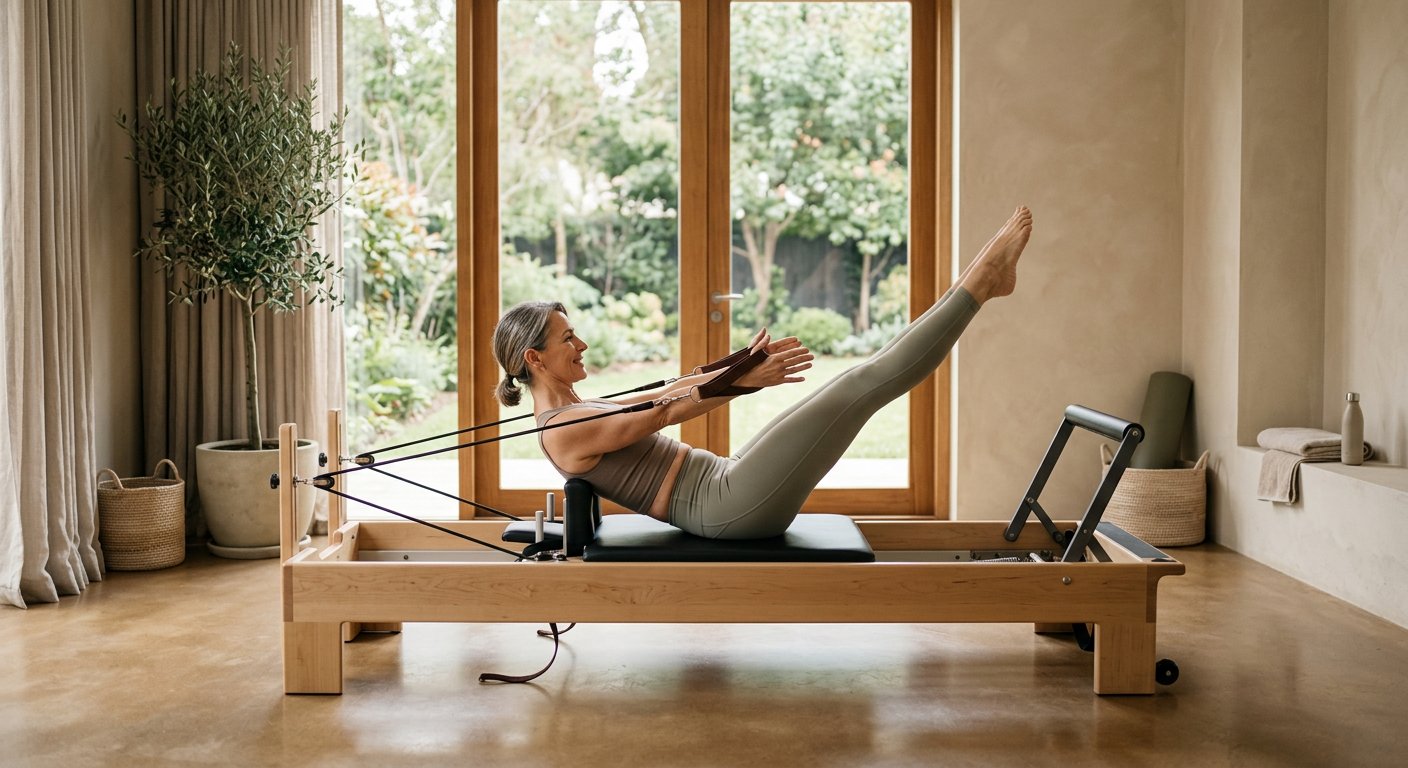
Pilates trains controlled movement against resistance, improving coordination and functional strength over time, for older adults, that translates into more confidence during daily tasks. Our balance and fall prevention physical therapy in Buford, GA addresses the clinical side, and our guide on how to improve balance and prevent falls gives you practical drills between visits.
Read more about clinical Pilates in Buford, GA and the full range of Pilates options at Zona, including private and duet sessions.
If the answer to any of these is no, start with physical therapy.
The choice between physical therapy and Pilates is not a rivalry, it is a sequence: get assessed when something hurts, treat the cause with supervised care, then build lasting strength with Pilates once cleared. Zona Physical Therapy & Wellness offers both under one roof, with one-on-one sessions lasting 45 to 60 minutes and Reformer, private, and duet Pilates for the phase that follows. Call 678-765-0909 to schedule an evaluation, and our team will help you figure out which one fits your situation first.
Frequently Asked Questions
Is physical therapy better than Pilates for lower back pain?
It depends on what is causing the pain. For acute or undiagnosed back pain, a physical therapist can perform a clinical assessment, rule out red flags, and build a targeted treatment plan. Many people do best starting with physical therapy, then moving into Pilates for long-term strength.
Can Pilates replace physical therapy?
Usually not. Physical therapy includes diagnosis, hands-on treatment, and clinical oversight that group or private Pilates classes do not provide. Pilates can support recovery once a therapist has assessed you and cleared that progression.
Should I see a physical therapist before starting Pilates?
See a physical therapist first if you have sharp or worsening pain, numbness, tingling, a recent injury, or surgery within the past few months. If you are pain-free and simply want to build core strength, a qualified instructor can screen you and modify exercises as needed.
